
Sadly, the loss of a loved one is devastating. To make things worse, sorting through their finances can bring an entirely new level of stress, especially when dealing with a reverse mortgage after death. Our office has received calls from families who worry about what happens to a family home under a reverse mortgage, so we want to help at BrickWood Mortgage.
A reverse mortgage is a type of special finance product allowing senior homeowners to unlock part of the equity from the home without being required to make regular mortgage payments. The loan comes due only once the last living borrower dies, vacates the property permanently, or sells the home.
Some people erroneously believe that lenders immediately get the house upon the borrower’s death. It’s not like that at all. Another widespread misunderstanding is that heirs will face significant personal financial obligations if the loan debt exceeds the value of the property. The main goal of our office as mortgage brokers is to explain how to approach these complicated nuances and make sure you know precisely who needs to repay the loan. Our objective is to give you all the necessary information for making confident and wise decisions.

Important Role of the Estate and Heirs in the Process of Handling the Mortgage
When the final borrower on the reverse mortgage dies, managing the loan and the estate falls onto the heirs of the borrower or the person chosen by the court to handle the affairs, which often leads families to askl…who is responsible for reverse mortgage after death? Your first step here is notifying the loan servicing company of your situation and sending a copy of the death certificate. Ignoring the matter will not solve the problem; on the contrary, it might result in a lengthy legal battle. Once the lender gets your notification, they will send you a due and payable letter explaining your rights and options.
You will then have up to six months to pay the debt or sell the house. The loan servicing company usually offers you additional periods of up to 90 days each if you manage to prove that you are actively trying to solve the problem. Two extra terms of 90 days are typically granted if you are trying to sell the property or refinance the loan, but you haven’t managed to accomplish that yet.
Three Options That Are Available to the Estate to Settle the Reverse Mortgage Debt
As an heir of the homeowner, you are free to choose one of the three available options regarding the debt settlement. Of course, you don’t have to choose the most expensive one.
1. Fully Repayment of the Loan Balance to Keep the Property in the Family
First of all, you can repay the entire loan balance and continue owning the house. You might use money from the estate, take out a traditional mortgage in your name, or apply personal savings. Non-recourse protection built into every reverse mortgage will work in your favor and allow you to repay the loan without going into deeper debts, helping families avoid foreclosure on reverse mortgage after death. No matter how big the total balance of the reverse mortgage, your payments will not exceed 95 percent of the fair market value of the property.
2. Selling the Property to Fully Satisfy the Reverse Mortgage Balance
A more popular way to solve this issue is selling the property for money that is needed to repay the loan. The estate will keep all extra proceeds from the sale. If you sell the house for less than the debt, non-recourse protection will still protect you from any liabilities to the lender. All proceeds from the sale will be accepted by the lender as repayment. Mortgage insurance will cover the rest. Neither your estate nor personal assets will be affected.
3. Signing Over the Property Back to the Mortgage Lender
When selling or buying out the loan doesn’t seem to be a reasonable choice to you, you can sign a deed in lieu of foreclosure, which gives the property back to the lender and may help you avoid reverse mortgage foreclosure after death. You might want to choose this way if keeping the property requires significant effort or if the property needs costly renovations.
FAQs
What Time Period Is Allotted For Estate Representatives To Solve The Issue?
The usual time allowed for heirs to handle the issue is six months from the date of the borrower’s death. However, by actively communicating with the servicer, you can negotiate for additional 90-day periods twice. The maximum period given for settling the situation will be one year.
Will The Heirs Inherit The Mortgage Debt From The Deceased Borrower?
Your personal inheritance won’t be charged with a reverse mortgage debt since the loan was taken out on the non-recourse basis.
What Will Happen If The Loan Balance Exceeds The Fair Market Value Of The House?
This situation won’t put any extra liabilities on the estate or heirs. Selling the house to a third party and using the proceeds to repay the debt, you will satisfy the lender, and mortgage insurance will cover the rest.
Getting Professional Help to Protect Your Inheritance and Manage Your Affairs Wisely
Handling a reverse mortgage loan after a death of the borrower is a tough task, which is made easy by mortgage experts. You have several options regarding solving this problem and protecting yourself from unnecessary financial risks. We are ready to help you with that at BrickWood Mortgage. Please, contact us now to discuss your concerns and options, from reverse mortgage details to the jumbo mortgage limit in South Carolina.
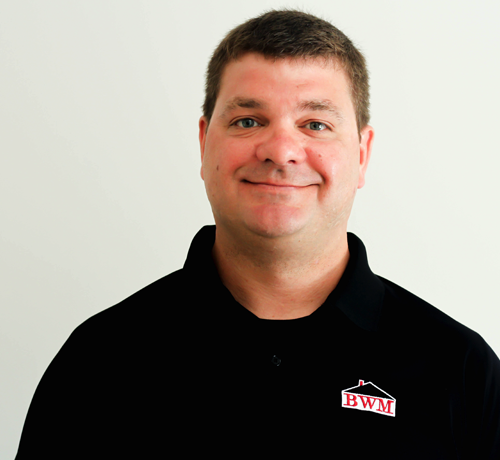
Paul Hankins, founder of Brickwood Mortgage, is a South Carolina native, entrepreneur, and seasoned mortgage professional with more than 23 years of experience in residential lending, real estate investment, property management, and renovation projects in South Carolina.


 © 2007-2026 BrickWood Mortgage Inc. All Rights Reserved.