Saving for a down payment is usually the biggest thing standing between South Carolina residents and a home of their own. It’s a stubborn hurdle. The good news is that the Palmetto Home Advantage program was built to lower it, and once you understand how the pieces fit together, homeownership can feel a lot closer than you thought. Here’s a plain look at what the program offers, how the Palmetto Home Advantage down payment assistance works, and who actually qualifies.
What Is Palmetto Home Advantage?
The SC housing Palmetto Home Advantage is a program run by the South Carolina State Housing Finance and Development Authority, or SC Housing for short. Its whole reason for existing is to make buying a home more realistic for qualified buyers. If you’ve got steady income and decent credit but your savings account hasn’t cooperated with your homeownership plans, this is worth a look.
Program Definition and Purpose
At its core, the program pairs an affordable mortgage with down payment assistance. That combination matters. Instead of choosing between a low monthly payment and finding cash for upfront costs, you get help with both. For buyers who are financially ready but stuck on that first big expense, this dual benefit tends to be the thing that finally gets them across the line.
Eligibility Requirements and Income Limits
Every county in South Carolina sets its own income limit for the program, and those numbers can shift from one year to the next, so it’s smart to check the current figures rather than rely on what a neighbor told you last spring. In broad terms, the program is aimed at low-to-moderate income households. Your exact threshold depends on your family size and where you’re buying.
Key Benefits and Program Structure
The down payment help gets most of the attention, but it isn’t the only perk. The Palmetto Home Advantage program also comes with competitive interest rates and flexible loan options, including FHA, USDA, and VA-backed loans. That flexibility is handy because it means the loan can be shaped around your situation instead of squeezing you into a single option that may not fit.
The 4% Down Payment Advantage
The heart of Palmetto Home Advantage is the down payment assistance, which can reach up to 4% of the loan amount. For a lot of South Carolina buyers, that one feature alone makes the program worth exploring.
How the 4% Down Payment Reduces Barriers to Homeownership
Ask most buyers what worries them, and the down payment lands at the top of the list. This assistance works as a second mortgage. Depending on how your loan is set up, it may not need to be repaid at all, as long as you stick to the program terms. Those terms vary, though, so read the fine print on your specific arrangement before you assume anything.
Comparison to Traditional 10-20% Down Payment Requirements
Conventional loans often ask for 10 to 20% down. On a $250,000 home, that’s $25,000 to $50,000 you’d need saved before closing costs even enter the picture. It’s no surprise that number sends plenty of otherwise qualified buyers back to renting. Working with a Charleston, SC, mortgage broker can help you understand your options, and programs like Palmetto Home Advantage shrink that barrier dramatically, letting you move ahead with a small fraction of the usual upfront cost.
Financial Implications and Long-Term Savings for Buyers
Think past the closing table for a minute. When you’re not draining your savings on the down payment, that money stays available for moving costs, the inevitable home repair, or an emergency fund. That cushion is often the difference between a rocky first year of ownership and a calm one.
Who Qualifies for Palmetto Home Advantage?
Qualification comes down to a handful of factors. Before you count yourself out, it’s worth having a real conversation with a Charleston mortgage broker such as BrickWood Mortgage, because assumptions trip up more buyers than actual disqualifications.
First-Time Homebuyer Definition
Despite the name, “first-time homebuyer” usually covers anyone who hasn’t owned a home in the past three years. Plenty of people who once owned property assume they’re ineligible, then find out they qualify after all.
Income Limits by County
Because income limits vary by county, the current numbers for your specific location are what count. A household that’s over the limit in one county might sit comfortably under it just across the county line, so pull the right figures before deciding.
Credit Score and Debt-to-Income Ratio Requirements
Most participating lenders look for a minimum credit score and a debt-to-income ratio they consider manageable. Reviewing your credit ahead of time helps. If something looks off, it’s far easier to fix it before you apply than to scramble after.
Residency and Employment Considerations
South Carolina residency and steady, verifiable employment are part of the picture too. Having recent pay stubs, tax returns, and employment verification ready will keep this step from slowing you down.
Frequently Asked Questions
Does the 4% down payment include closing costs?
Often, yes. The assistance can usually go toward both the down payment and closing costs, though the exact split depends on your loan structure.
What happens if you don’t qualify initially?
It’s rarely a permanent no. A plan to improve your credit, trim your debt, or reapply once income limits update can get you there.
Can you use gift funds for down payment assistance?
In many cases, yes. How gift funds interact with the program’s rules is worth confirming for your situation.
Are there restrictions on property type or location?
Generally, the home must be in South Carolina and fall within certain purchase price limits. The specifics are worth checking case by case.
Ready to Explore Your Options?
Palmetto Home Advantage has opened the door for a lot of South Carolina families, and it might do the same for yours. If you’re curious whether you’d qualify, reach out to BrickWood Mortgage and start the conversation. It costs nothing to find out where you stand.
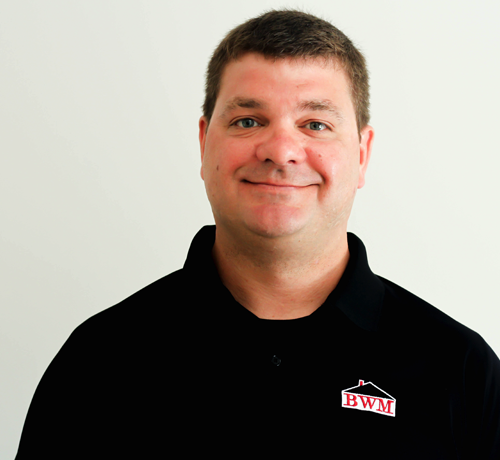
Paul Hankins, founder of Brickwood Mortgage, is a South Carolina native, entrepreneur, and seasoned mortgage professional with more than 23 years of experience in residential lending, real estate investment, property management, and renovation projects in South Carolina.

 © 2007-2026 BrickWood Mortgage Inc. All Rights Reserved.