
Buying a home in Horry County can start to feel like chasing something that keeps drifting out of reach. You pay rent every month, try to set aside a little for a down payment, and the numbers just don’t add up fast enough. There’s a program built for exactly this kind of stuck. Habitat for Humanity’s Sweat-Equity Program gives you a different way in, one that leans on your effort instead of a fat savings account.
Below, we’ll cover how it works, what you’ll actually gain from it, and what the road looks like from your first application to the moment you unlock the door.
What Is the Sweat-Equity Program?
How Labor Replaces a Traditional Down Payment
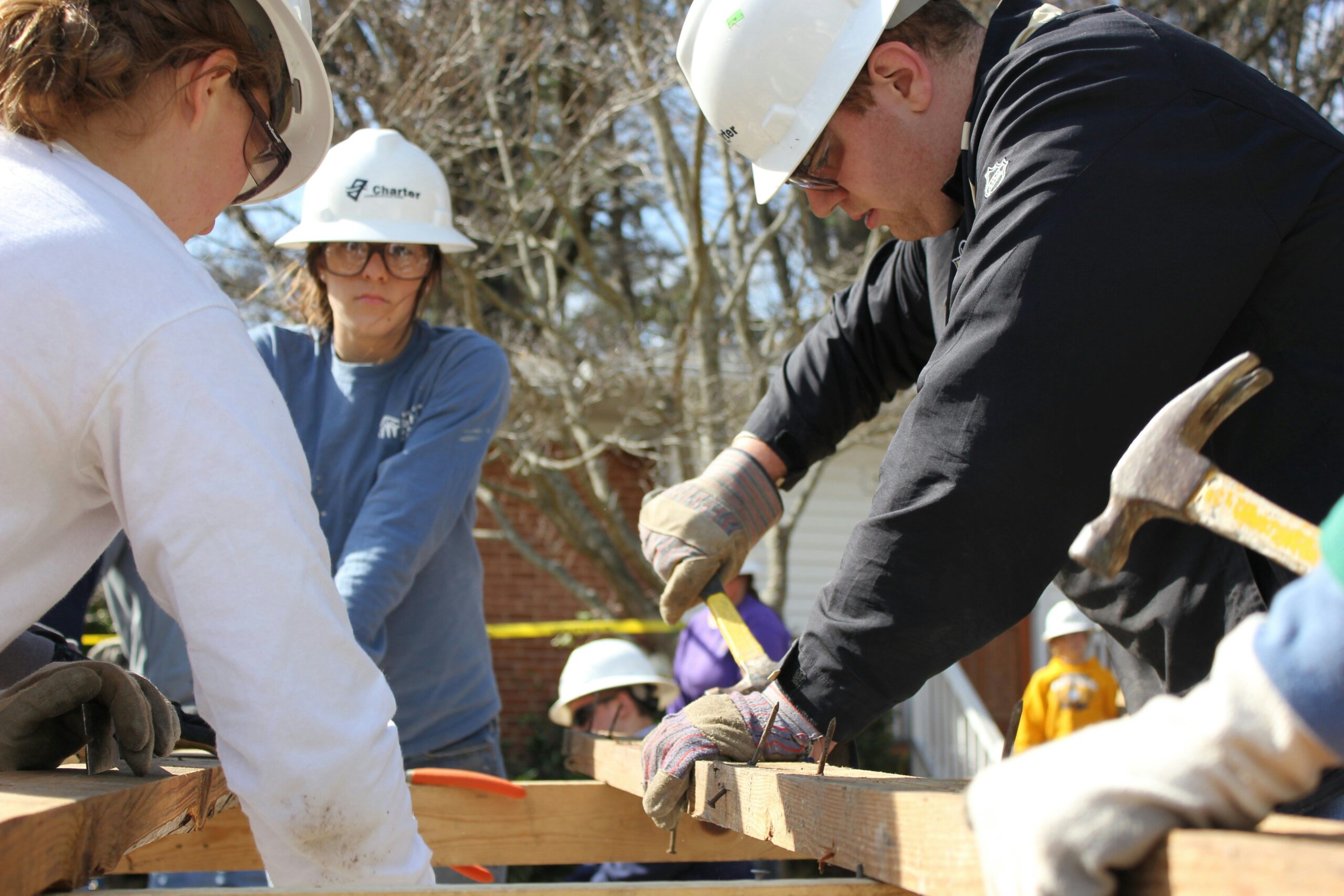
What is sweat equity, exactly? The concept is easy to grasp. Rather than scraping together cash for a down payment, you invest hours of work into building your own home. Future homeowners put in hundreds of hours, shoulder to shoulder with volunteers and construction crews, on their own house and on homes for other families too.
Here’s why that trade is such a big deal. It clears away one of the hardest walls buyers run into: needing a lump of money before you can even fill out a mortgage application. If saving has been the thing keeping you renting, this flips the whole setup.
Program Requirements and Eligibility
Habitat for Humanity Horry County keeps its rules pretty clear. Three things generally matter: a genuine need for decent housing, the means to repay an affordable mortgage, and a willingness to partner with the group by completing your sweat-equity hours.
Most applicants land inside a set income range, and families stuck in crowded or run-down housing tend to move up the list. Those income limits and document requirements do change now and then. So before you apply, call Habitat directly. A quick conversation with their staff will tell you where you actually stand.
Benefits of Participating in Sweat Equity
Affordable Pathways to Homeownership
Affordability is the heart of it. Habitat homes come with zero-interest or low-interest mortgages, and the payments are built to sit comfortably on a modest income. Sweat equity homeownership makes it possible for families who figured ownership was permanently off the table to find it’s suddenly back within reach.
Skills Development That Lasts a Lifetime
Money isn’t the only thing you walk away with. You’ll learn real construction, basic repairs, the kind of upkeep every house eventually needs. And those skills don’t fade after move-in day. A loose hinge or a dinged-up wall stops being a crisis and becomes something you can just handle. Folks who finish the sweat equity program usually step into ownership feeling more grounded than buyers who went the standard route.
Community Building Through Shared Work
Building a house beside your neighbors does something a closing table never will. You spend weeks working next to volunteers and other soon-to-be homeowners, and somewhere in there, those hours turn into friendships. Plenty of families finish with a sense of belonging that’s tough to measure but easy to feel.
Long-Term Financial Stability
When your upfront costs stay low, and your payments stay manageable, you’ve got room to breathe. That means saving, building equity, actually getting ahead instead of just holding on. It’s a slower, steadier path. And steady usually wins out over the riskier lending products in the long run.
The Sweat-Equity Journey: Step by Step
Application and Selection Process
It begins with an application to Habitat for Humanity of Horry County. You’ll go through income verification, a look at your current living situation, and a check on your ability to repay. From there, a committee reviews everyone based on need, willingness to partner, and readiness for what’s ahead.
Required Labor Hours and Timeline
Get selected, and you commit to a specific number of sweat-equity hours before closing. Often several hundred. Those hours might mean swinging a hammer, helping with paperwork, or sitting in homeownership education classes. Timing depends on how quickly you knock out your hours and where the construction schedule sits.
Types of Work and Support Along the Way
Never built anything before? That’s fine. Habitat for Humanity sweat equity participants get training, supervision, and steady support, teamed up with volunteers and staff who know what they’re doing. The tasks vary a lot, from framing and painting to landscaping and finishing work inside.
From Volunteer to Homeowner
Once you’ve checked every box, you head through closing and pick up the keys to a house you helped raise with your own two hands. It’s earned through work, learning, and community, not a credit score sitting on a page. That’s what makes it land differently.
Frequently Asked Questions
Do I need construction experience to participate?
Nope. Habitat for Humanity walks you through it with training and hands-on guidance during the build.
How many sweat-equity hours are typically required?
It depends, but most people log several hundred hours across construction, volunteer help, and homeownership classes.
Will I still need a mortgage if I complete sweat-equity hours?
Yes. Sweat equity usually replaces or shrinks the down payment, though you’ll still carry an affordable mortgage.
Ready to Explore Your Homeownership Options?
Programs like Habitat for Humanity’s Sweat-Equity Program can open doors that regular financing tends to close. If you’re working with BrickWood Mortgage, a mortgage broker in Myrtle Beach, SC, the next move is simple: ask us about Habitat for Humanity of Horry County and current eligibility, and find out where you land. Your future home might be nearer than you’d guess.
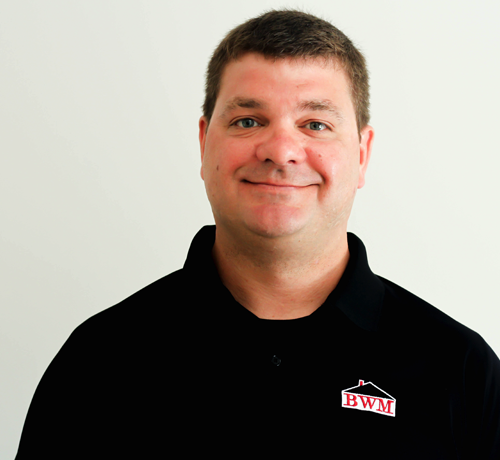
Paul Hankins, founder of Brickwood Mortgage, is a South Carolina native, entrepreneur, and seasoned mortgage professional with more than 23 years of experience in residential lending, real estate investment, property management, and renovation projects in South Carolina.


 © 2007-2026 Brickwood Mortgage Inc. All Rights Reserved.