Buying a home in South Carolina is a thrill. The financial side of it? That part can knock the wind out of you. And at the center of it all sits your credit score, that little three-digit number that lenders trust far more than they’ll ever trust your charm. It tells them how reliable you are, and it largely decides the interest rate you’ll carry for years.
We hear the same question all the time at BrickWood Mortgage. As a Charleston, SC, mortgage broker company, we get clients asking where they need to stand before they go touring houses in Charleston or Greenville. Fair enough. Let’s walk through it together so you can make smart decisions about your road to homeownership!
The South Carolina Mortgage Landscape
South Carolina’s real estate scene is all over the map, literally. You’ve got the busy coastal properties of Myrtle Beach on one end and the quiet foothills of the Upstate on the other. Because housing markets shift so much from one county to the next, local lenders set their own standards to protect what they’re lending.
The state mostly follows national mortgage guidelines. Still, local economic factors and the type of property you’re eyeing can shape which loans are actually available to you. Rural areas might open the door to specialized government loans. Coastal homes might call for a different conventional approach. We dig into your specific situation and match it against these regional quirks to find the best lending partner for your future home.
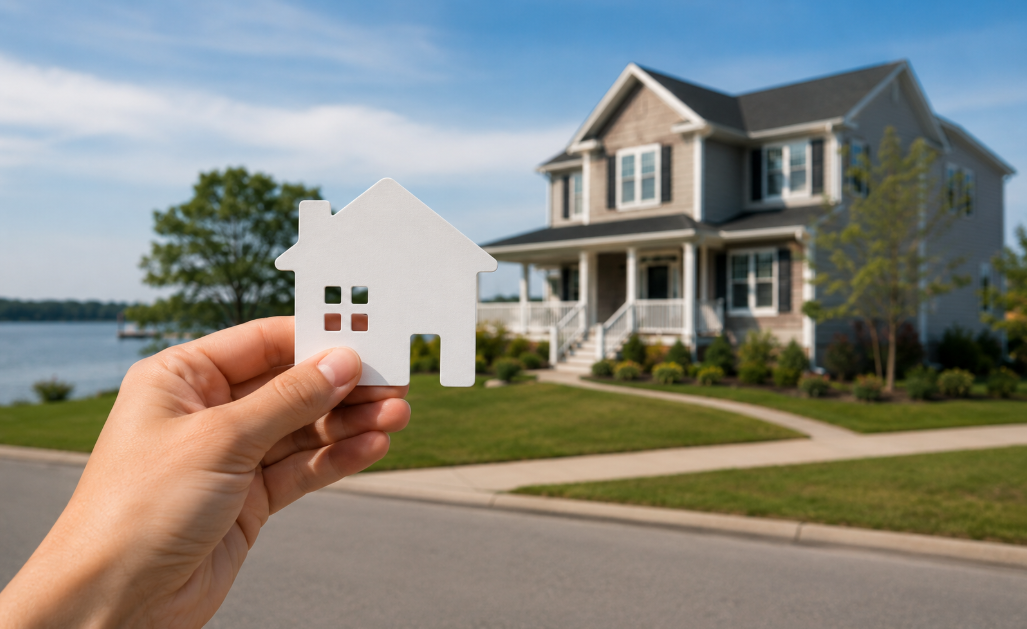
Minimum Credit Score Requirements by Loan Type
Your credit score decides which mortgage programs you can reach. If you’ve ever wondered what credit score do you need to buy a home? The answer starts here. Different loan products serve different financial backgrounds, so knowing these thresholds is your first real step.
Conventional Loans
Conventional mortgages have no government backing, which makes them a bit riskier for lenders. Because of that, you’ll usually need a score of at least 620 to qualify for one in South Carolina. Hit 740 or higher, though, and you unlock the best interest rates and terms on the table.
Here’s how we put it to clients: 620 gets your foot in the door. A higher number does much more than that. It trims your monthly payment and cuts the cost of private mortgage insurance, which is why a good credit score to buy a home pays off long after closing day.
FHA Loans
Maybe your credit history has a few dings on it. It happens. A Federal Housing Administration loan might be exactly what you need. FHA loans are hugely popular here because they accept scores as low as 580 with just a 3.5 percent down payment. Bring a larger down payment of ten percent and some lenders will go down to 500.
We often point younger buyers toward FHA loans, along with anyone rebuilding their credit. The government backing gives lenders the confidence to approve applications that conventional rules would turn away.
VA Loans
South Carolina has a large military population, and helping veterans use their hard-earned benefits is something we genuinely enjoy. The Department of Veterans Affairs doesn’t set an official minimum credit score. Instead, it asks lenders to look at your whole financial picture. In practice, most lenders we work with want to see somewhere between 580 and 620.
The perks are tough to beat: zero down payment and no private mortgage insurance. For eligible service members, it’s one of the strongest options around. And later, once you’ve built up equity, knowing the credit score for home equity loan approval can help you tap that value when you need it.
USDA Loans
Plenty of beautiful South Carolina properties sit just outside city limits, and that can qualify them for a United States Department of Agriculture loan. These were built to encourage rural development, and they offer zero-down-payment options for buyers with low to moderate incomes.
For automated approval through the USDA system, we generally look for a minimum score of 640. Fall a little short? Don’t count yourself out. We can still pursue a manual underwrite, especially if you’ve got a solid history of paying bills on time.
What Else Lenders Look At
Your credit score is the gatekeeper, but it isn’t the whole story. Lenders want a fuller view of your ability to repay.
- Employment and income. They’ll check that your work history and income are steady enough to cover the new payment.
- Debt-to-income ratio. We’ll help you figure this out. It compares your gross monthly income to your monthly debt obligations, and most programs cap it around 43 to 50 percent.
- Down payment. The funds you bring matter a great deal. Putting more money down can sometimes make up for a slightly lower score.
Your Next Steps
Understanding credit scores is only the start. Mortgage rules keep shifting, and figuring out the right credit score for home loan approval on your own tends to breed frustration and missed chances. We take pride in cutting through the confusion and finding financing that fits your life.
Before you fall for some listing online, find out what you can comfortably afford. Reach out to our team today, and let’s turn your South Carolina homeownership goals into something real.
FAQs
Does Checking My Credit Score Hurt It Before I Apply For A Mortgage?
No, not when you check it yourself. Pulling your own report counts as a soft inquiry, which has no effect on your score, so feel free to review it as often as you like. When a lender pulls your credit during the application, that’s a hard inquiry, and it might shave off a few points temporarily. The good news is that mortgage shopping within a short window, usually 14 to 45 days, gets counted as a single inquiry, so comparing offers from several lenders won’t pile up the damage.
How Long Does It Take To Improve My Credit Score Before Applying?
It depends on where you’re starting and what’s holding your score back. Paying down credit card balances and clearing up small past-due accounts can show results in just a month or two. Bigger issues, like late payments or collections, take longer to fade. We often suggest starting six months to a year ahead so you have time to make real progress. Even a modest jump can move you into a better loan program or a lower interest rate.
Can I Buy A Home In South Carolina With Bad Credit?
Yes, you have options even if your score isn’t great. FHA loans accept scores as low as 580 with a 3.5 percent down payment, and some lenders go down to 500 if you bring ten percent. VA and USDA loans can also work with lower scores, especially when you have a steady history of paying bills on time. We’ll review your full financial picture at BrickWood Mortgage and match you with the program that fits your situation best.

Paul Hankins, founder of Brickwood Mortgage, is a South Carolina native, entrepreneur, and seasoned mortgage professional with more than 23 years of experience in residential lending, real estate investment, property management, and renovation projects in South Carolina.

 © 2007-2026 Brickwood Mortgage Inc. All Rights Reserved.